
Bungalow 2.0
Built Smart, Not Big
Purpose-Driven Density on a Tight Urban Site
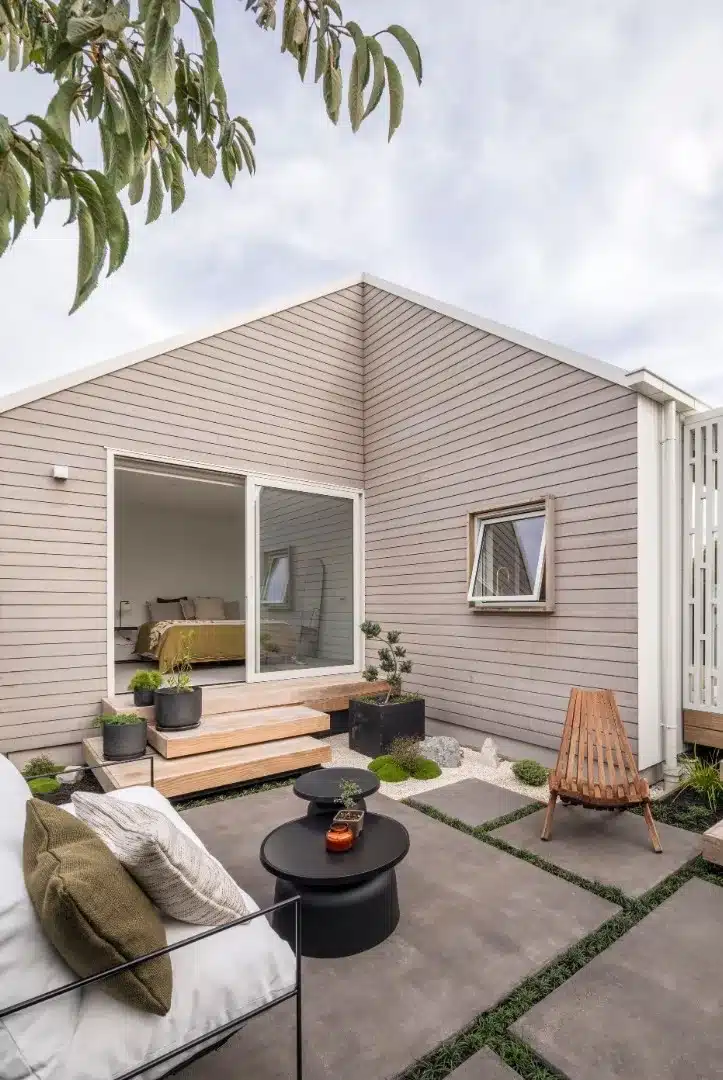
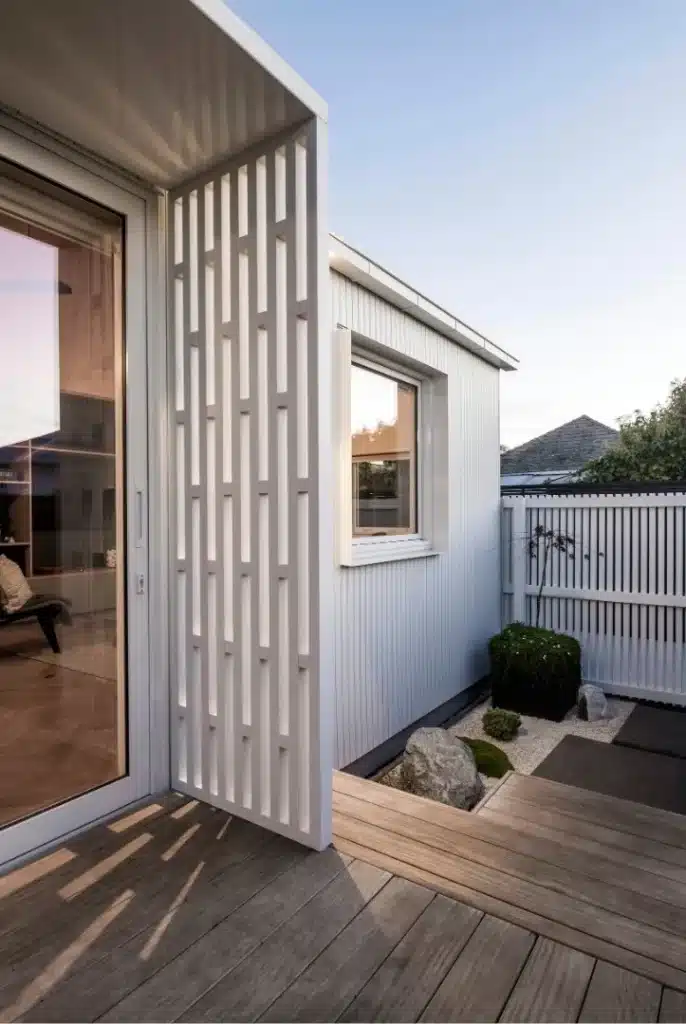
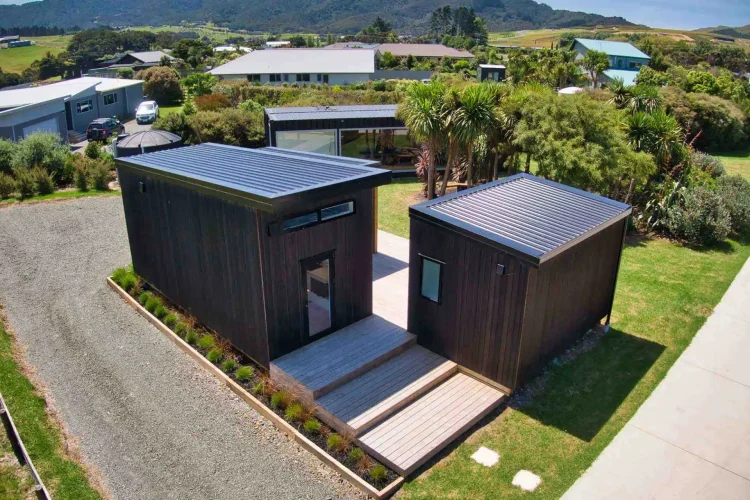
Bungalow 2.0 is a compact Christchurch home built on a constrained rear section behind an existing dwelling. With only 72m² of living space on a 200m² site, the project focuses on spatial efficiency, low embodied carbon, and careful compliance with local planning rules. Every design decision prioritises function, daylight access, and outdoor connection, proving that small-scale housing can still deliver architectural clarity and comfort without excess.
Designed Around Constraints, Not Despite Them
The house was shaped by strict site limitations, including a narrow buildable envelope and a rear-lot position. Rather than forcing a standard footprint, the design uses these constraints to drive a compact form that maximises usable internal space while protecting outdoor living areas.
Small Footprint, High Performance
Despite its size, the home achieves strong environmental performance through a tight building envelope, cross-ventilation strategy, and reduced material volume. The embodied carbon is kept low through timber construction and simplified structural systems.
Precision in Detailing
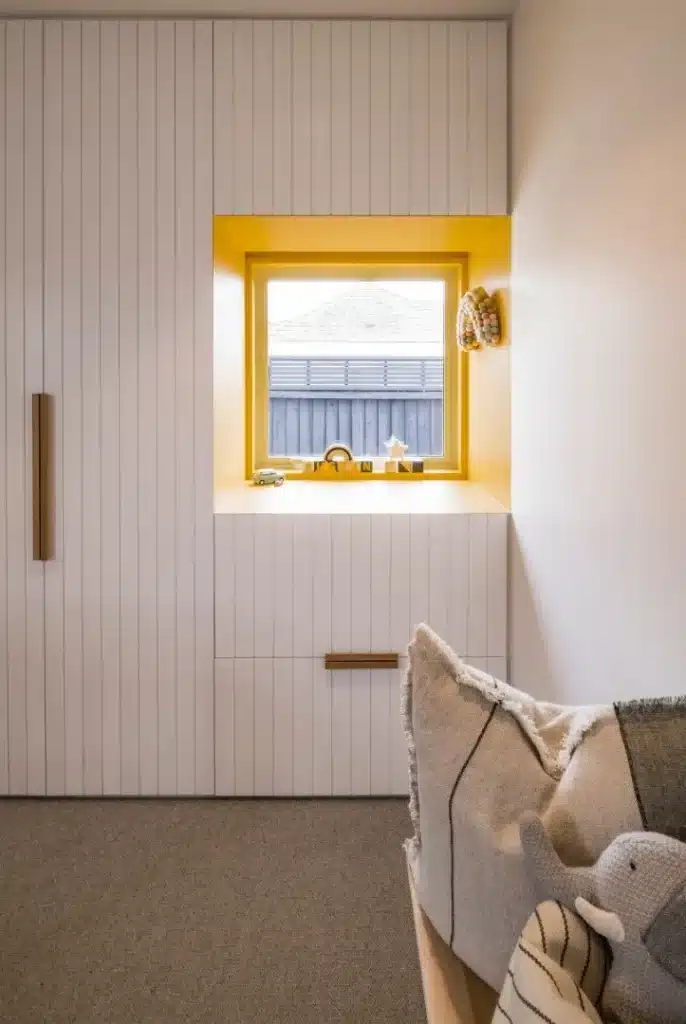
Every millimetre of the design was considered for efficiency. Examples include integrated joinery solutions and strategic wall detailing that remove unnecessary framing depth, allowing more usable interior space within the same footprint.
Material Choice for Stability and Low Maintenance
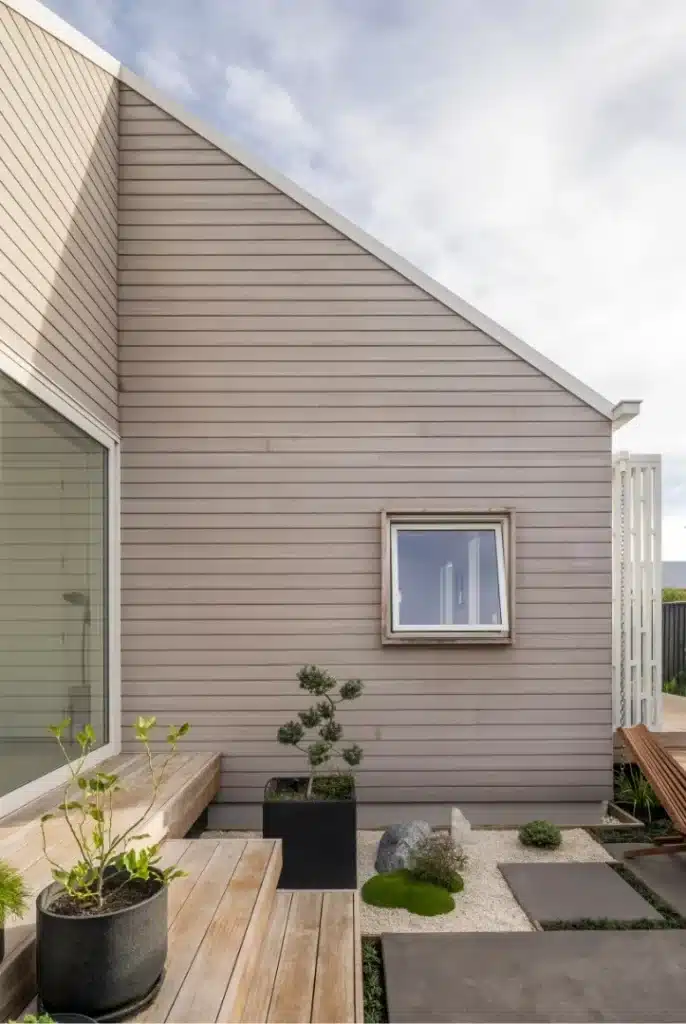
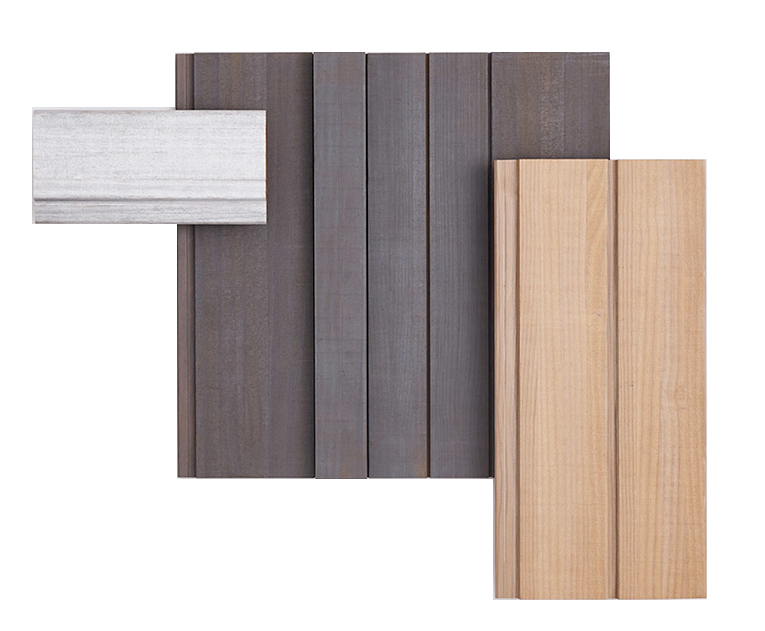
Abodo Vulcan cladding was selected for dimensional stability, reduced chemical treatment, and predictable weathering. The material supports the design intent of a low-maintenance exterior that performs consistently in Christchurch’s variable climate.